
Ro-Weather outlooks are automated, not official warnings. In the UK, follow the Met Office.
Weather guide
Weather-Driven Natural Disasters
Rapid spread of flames driven by weather conditions
Dry vegetation from drought and heat intensifies burning
Strong winds rapidly advance fire front miles per hour
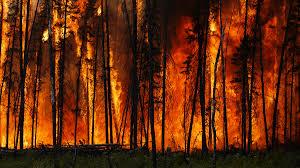
Wildfires require three elements: fuel (dry vegetation), oxygen, and an ignition source. While natural lightning causes some fires, most modern wildfires are ignited by human activity. Weather conditions - particularly drought, extreme heat, low humidity, and strong winds - dramatically increase fire risk and spread rate. Climate change is lengthening fire seasons and intensifying conditions.
Lack of precipitation dries out vegetation, making it highly flammable. Longer drought periods increase fire intensity and duration.
High temperatures increase evaporation, drying vegetation further. Heat also provides energy for fire growth.
Wind rapidly spreads fires by carrying embers and flames ahead of the main fire front. Creates explosive growth.
Low relative humidity dries vegetation rapidly. Combined with heat and wind, creates extreme fire danger.
Fire advancing upwind in direction of wind travel. Spreads fastest, carries embers ahead creating spot fires. Most dangerous portion.
Fire burning uphill or against wind. Spreads slower but burns intense. Can trap evacuating residents.
Fire burning perpendicular to wind direction. Spreads at medium rate but can cut off evacuation routes.
Fires unlikely to reach populated areas, contained relatively easily
Fires possible, can spread to populated areas, prompt evacuation may be needed
Fires likely, rapid spread, evacuation orders probable
Fires uncontrollable, rapid spread, widespread evacuations, critical danger
Flames, extreme heat, and smoke create immediate threats to life and property.
Wildfire smoke severely impacts air quality over large areas, causing respiratory and cardiovascular problems.
Wildfires destroy homes, businesses, infrastructure, and natural resources across vast areas.
Wildfires have cascading environmental effects from ecosystem destruction to water quality.
Deadliest US wildfire in century. 85 deaths, 18,804 structures destroyed, 153,000 acres burned in days.
Destroyed entire town of Paradise
Second largest CA wildfire. 1,329,603 acres, 1,329 structures destroyed, fueled by extreme heat and wind.
Burned for months, required new suppression strategies
Deadliest US wildfire in a century. 102 deaths, tropical climate fire, fueled by rare drought and offshore winds.
Lahaina devastated, flash floods from rain afterward
Record smoke across North America. Extreme heat wave, drought, smoke affected millions throughout continent.
Air quality hazardous in eastern US
 Ro-Weather